How to Help a Dog Feel Less Stressed and Reactive Around Other Dogs
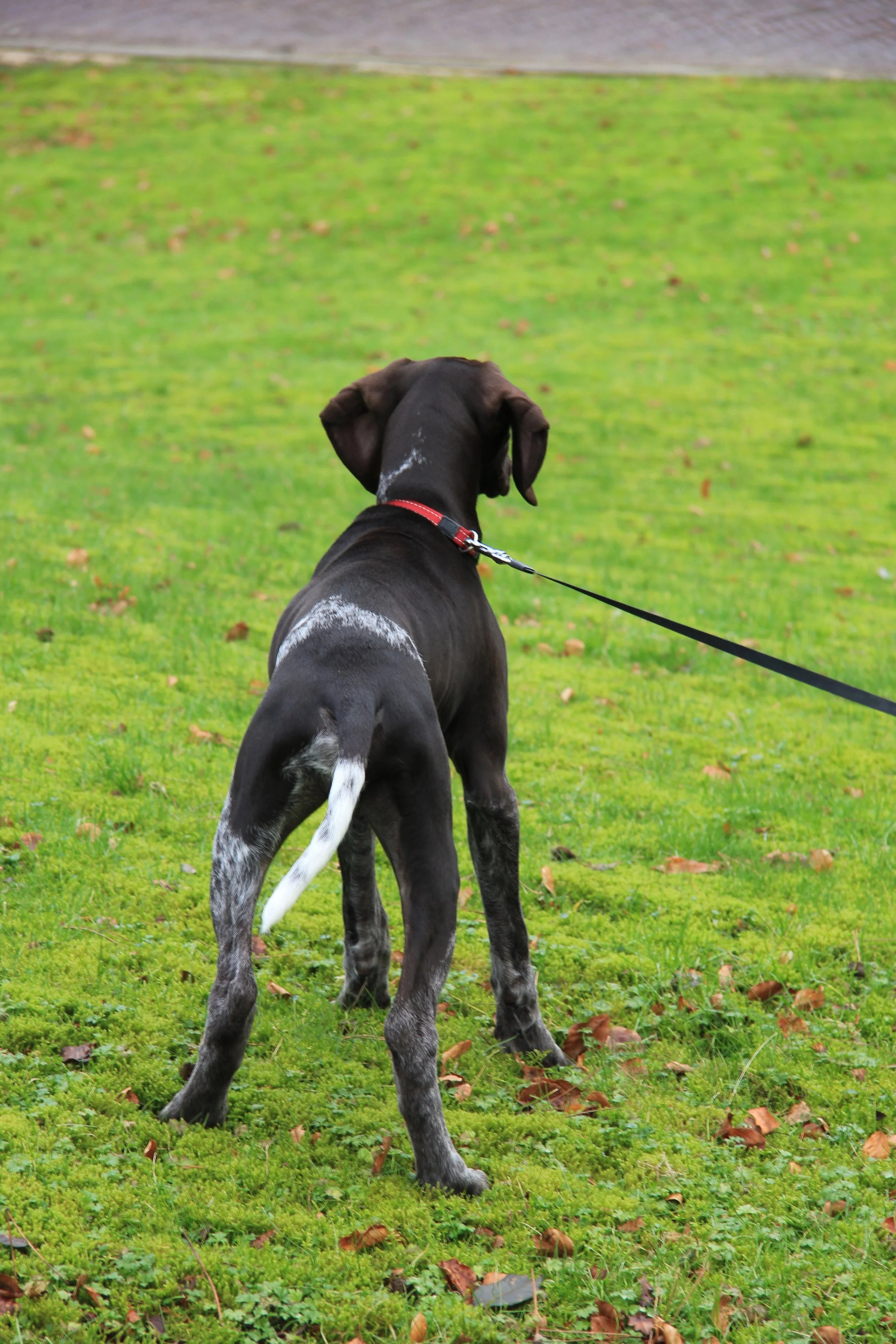
When you have a dog that is reactive to other dogs, walking them can feel like a nightmare. You worry about who is going to come round the corner and how your dog will react.
When you spot another dog in the distance, your heart starts to beat faster, you tighten the lead and already feel anxious. You find yourself scanning the whole area for an escape route. As the other dog gets closer, your dog may begin to react. They might:
growl
raise their hackles
pull and lunge
bounce around frantically
try to hide behind or between your legs
If you are walking in Oxford or nearby and this sounds familiar, you are not alone. Many dogs struggle around other dogs, but with the right support, things can improve.
Why Do Some Dogs React to Other Dogs?
Dogs communicate very differently to us using body language and vocalisations. These signals help them decide whether to approach, move away or ask for space.
When dogs are on lead:
they often cannot move away from something that feels scary
they cannot always approach politely either
frustration and stress can quickly build
This lack of choice can make reactions more likely.
Reactivity can also be influenced by early experiences. For example:
limited socialisation as a puppy
difficult or overwhelming interactions
negative past experiences
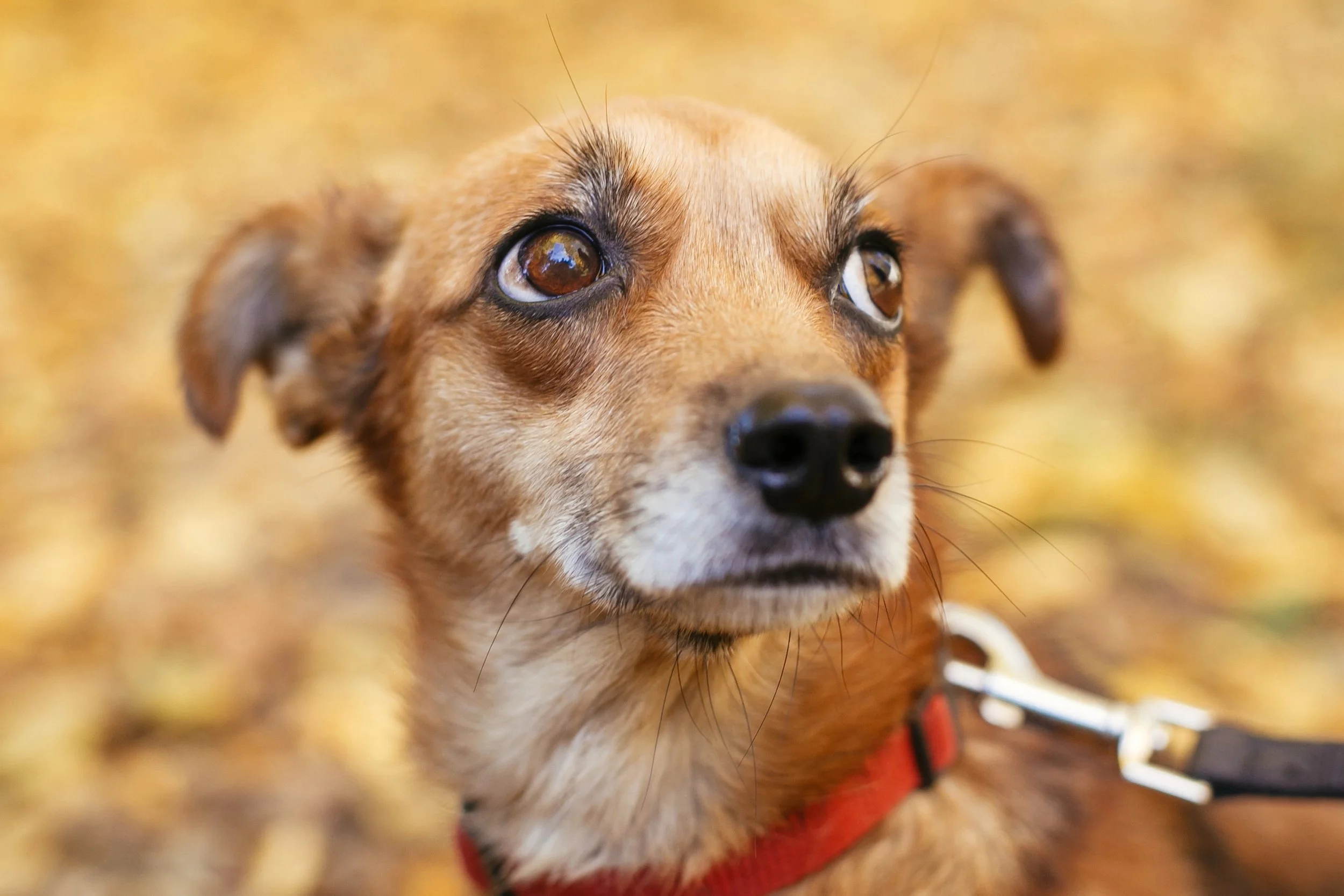
Some dogs learn to feel worried about specific types of dogs. Others feel frustrated and over-excited. Often, it is a mix of both.
Can a Reactive Dog Be Trained?
Yes. Absolutely.
With the right approach, most dogs can learn to feel calmer and cope better around other dogs. Progress takes time, patience and consistency, but small changes can make a big difference
Practical Ways to Help Your Dog Feel Less Stressed Around Other Dogs
1. Prepare Before the Walk
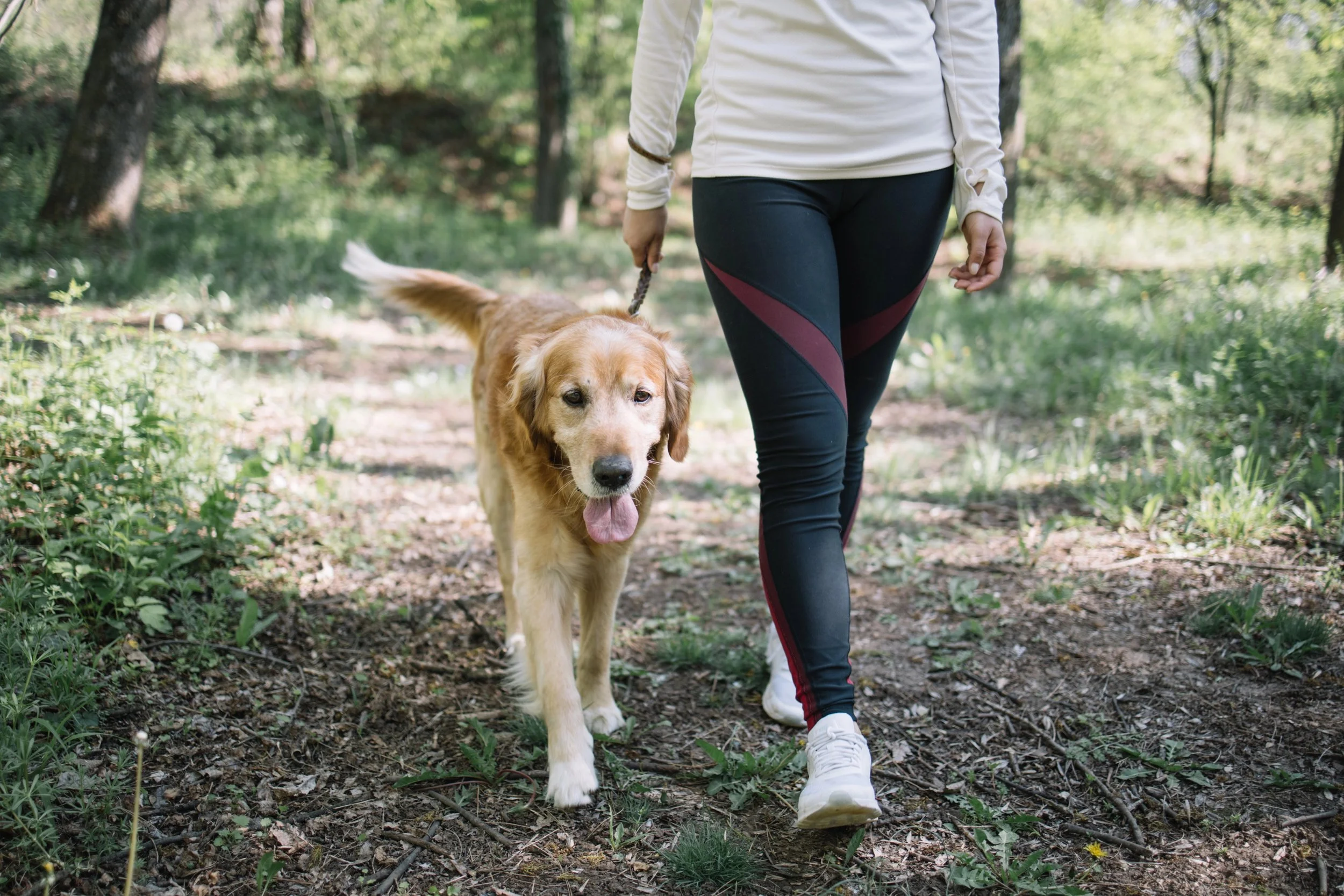
Before heading out, focus on mental enrichment and simple training indoors. This helps reduce excess energy and improves focus once outside.
You might try:
short training sessions
scentwork games
food puzzles
calm enrichment activities
2. Choose Your Walking Environment Carefully
Set your dog up to succeed by choosing locations that feel manageable.
Helpful options include:
quiet open spaces
wide paths with good visibility
secure fields
Try to avoid:
narrow alleyways
enclosed routes
busy times and locations
3. Use Distance Early
If you see another dog approaching, create distance early where possible.
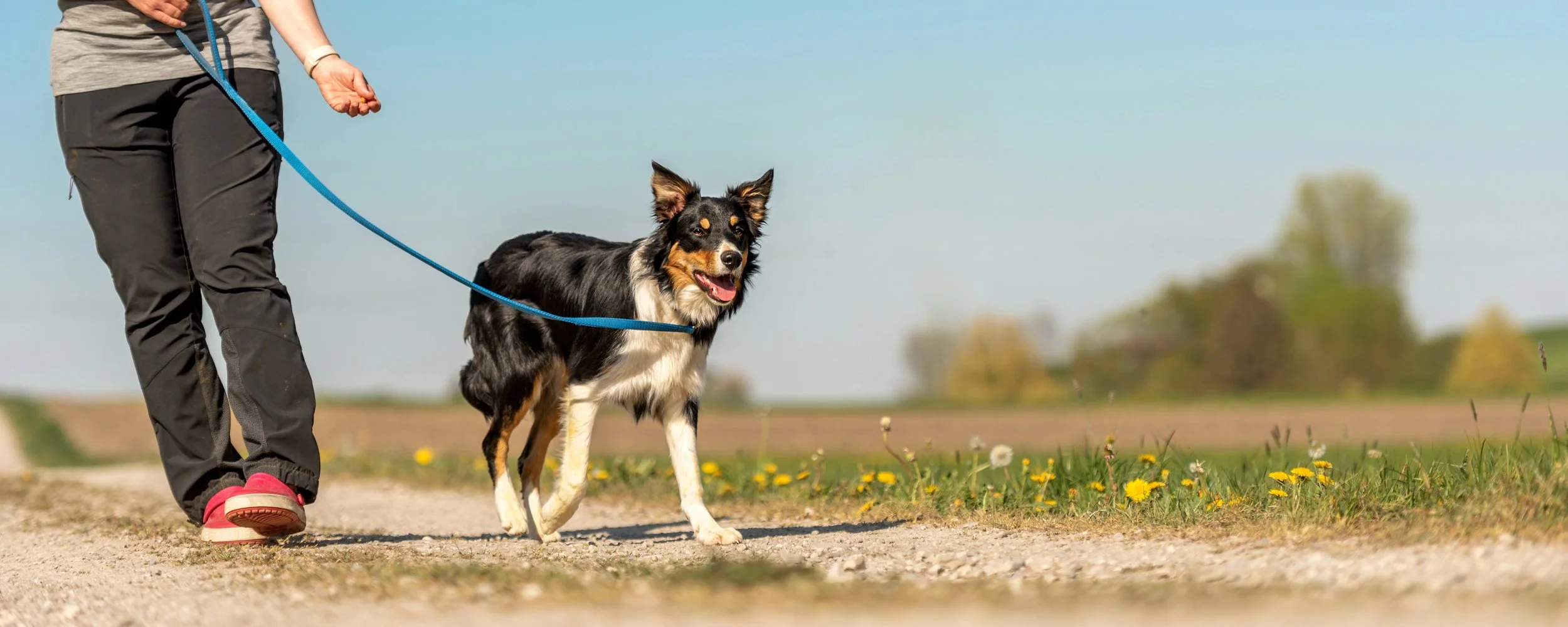
The turn-away exercise can be very helpful here. Turning and calmly walking in the opposite direction often prevents escalation and keeps both you and your dog feeling calmer.
Walking straight past achieves very little and simply allows your dog to rehearse the behaviour again.
4. If You Accidentally Meet Another Dog
If you find yourself closer than planned:
stay as calm as possible
avoid tightening the lead
use your turn-away exercise
guide your dog with a high-value reward. Choose something extra tasty or smelly and reserve it just for these situations so it keeps its value.
5. Reward Calm Behaviour
Reinforce any calm behaviour you see. This might include:
looking at you
disengaging from the other dog
soft body language
A calm voice, food reward or quiet praise can all help.
6. Teach Focus Skills
Teaching cues such as “look at me” can help shift your dog’s attention back to you when needed.
These skills are best taught in quiet environments first (eg. at home) before using them on walks.
7. Learn to Read Your Dog’s Body Language
Understanding early signs of stress or frustration allows you to act sooner. Learn what to look out for when your dog is scared, worried or angry using this ‘Doggy language’ infographic as a guide.
If you haven’t already, please read “Your Choice Affects Your Dog’s Choice – A Case of Barking at Other Dogs” as it explains how barking at other dogs can be influenced by owner responses and distance.
8. Rule Out Medical Causes
If your dog’s behaviour has changed or worsened, speak with your vet. Pain or medical issues can contribute to reactivity and should always be ruled out.
Prevention Is Always Easier Than Cure
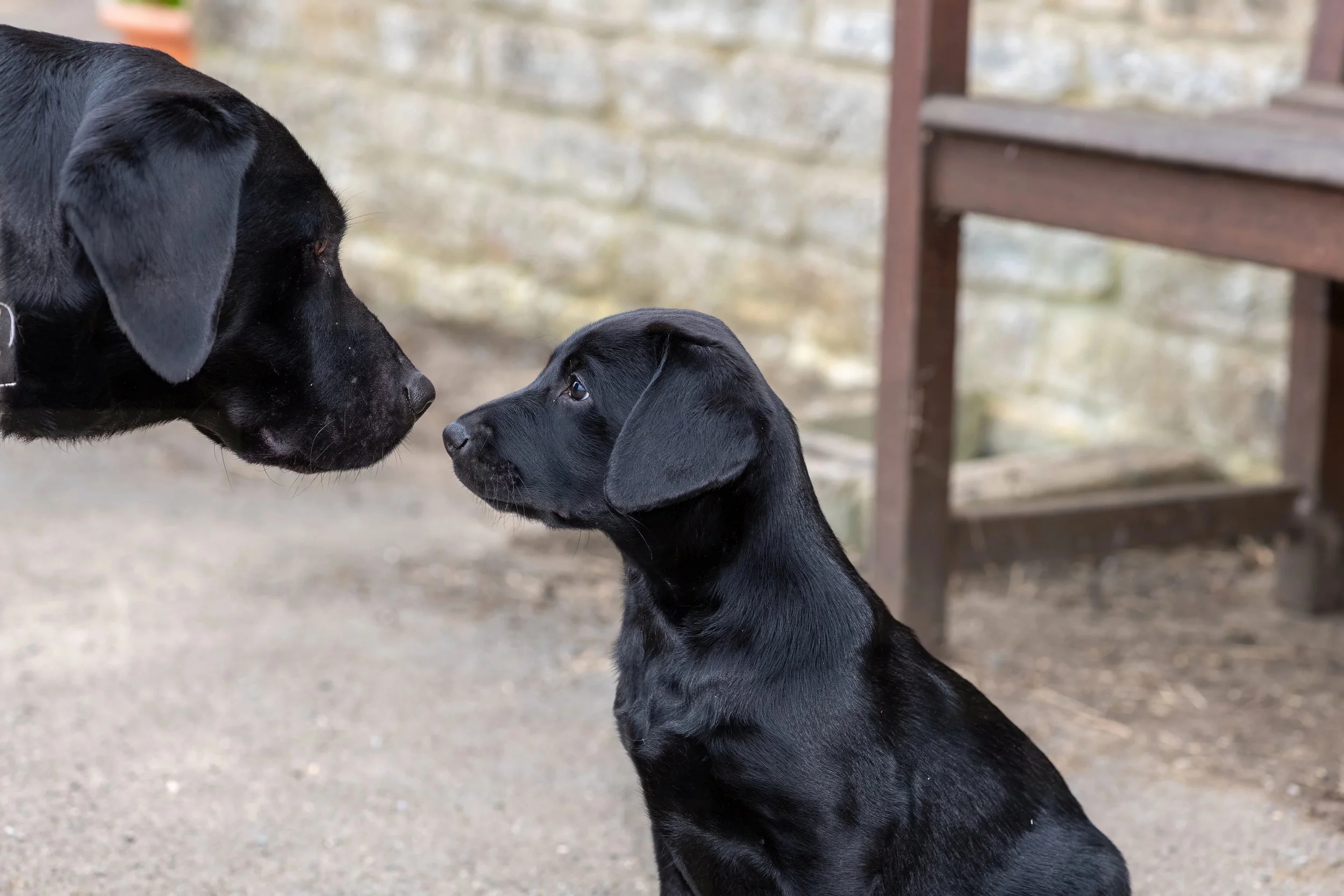
If you have a puppy, the best way to reduce the risk of reactivity is to prevent it developing in the first place.
In my puppy classes, I teach:
the turn-away exercise
calm engagement around other dogs
safe greetings
how to read body language
Click here for timings, location and availability.
When to Get Professional Help
If you have a reactive dog in Oxford or surrounding areas, structured support can make the process much clearer and less stressful for you both.
Click here to learn more about how I can help.